
"You Can't Just Give Up": Gail's Story
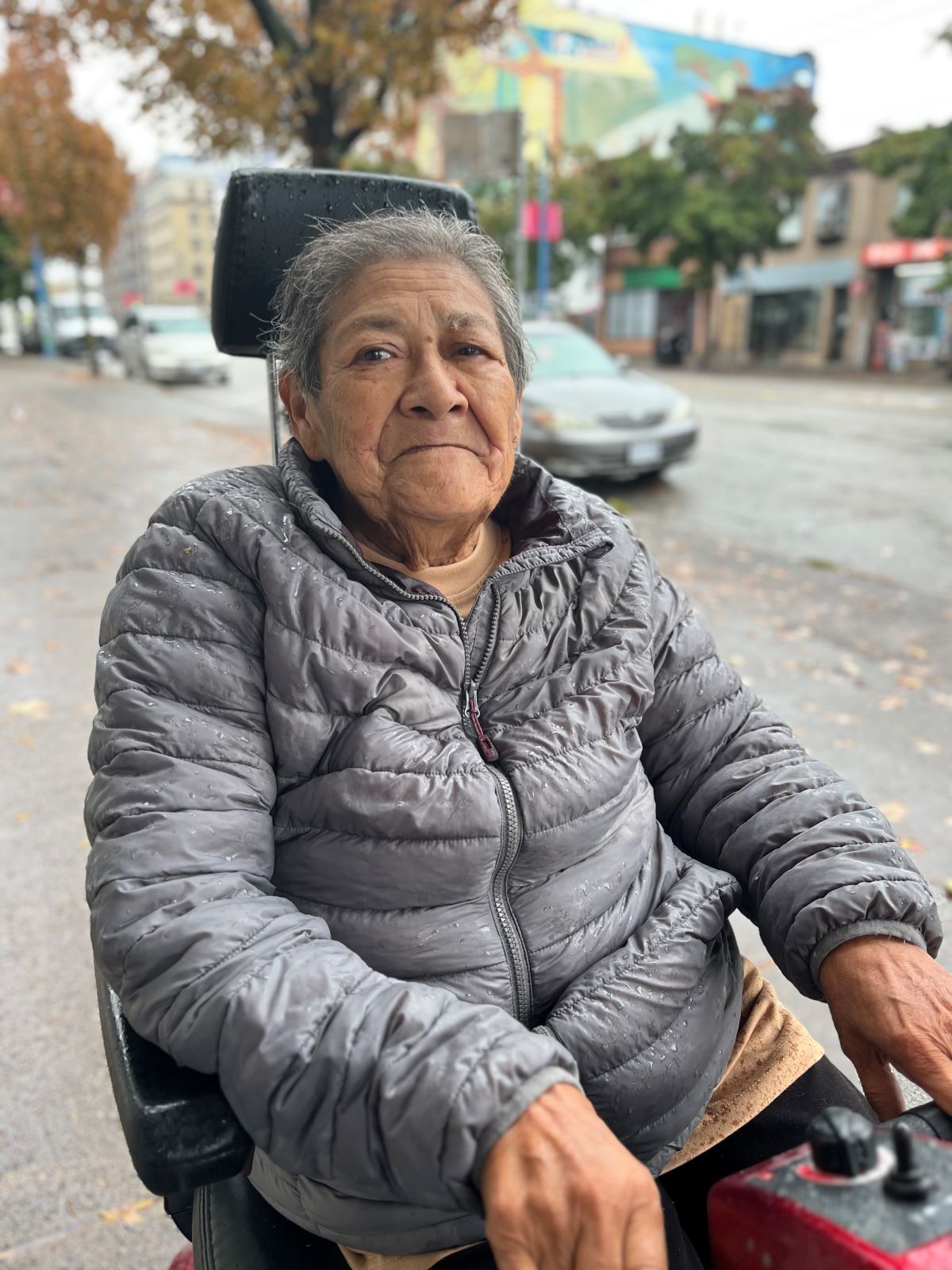
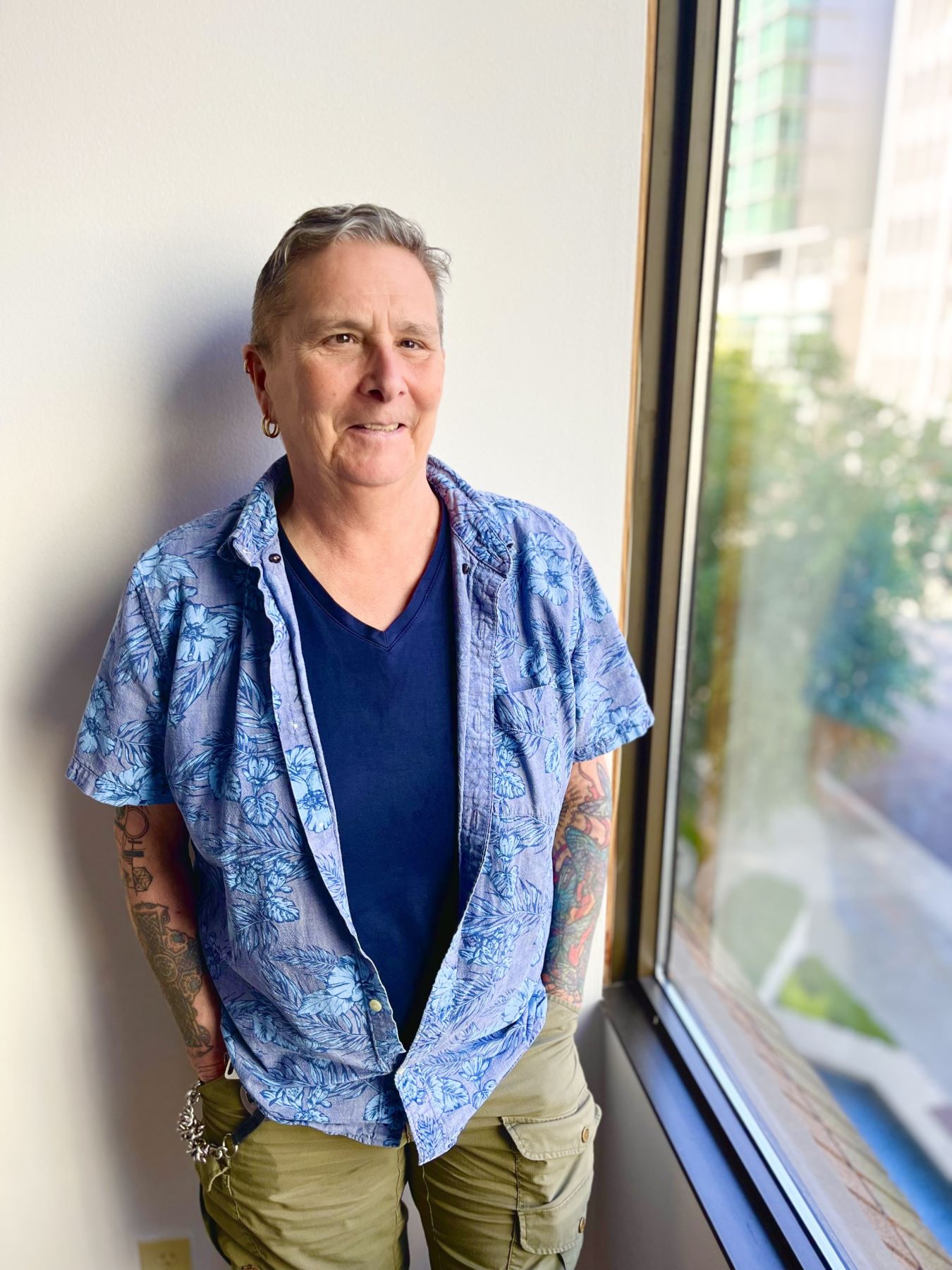
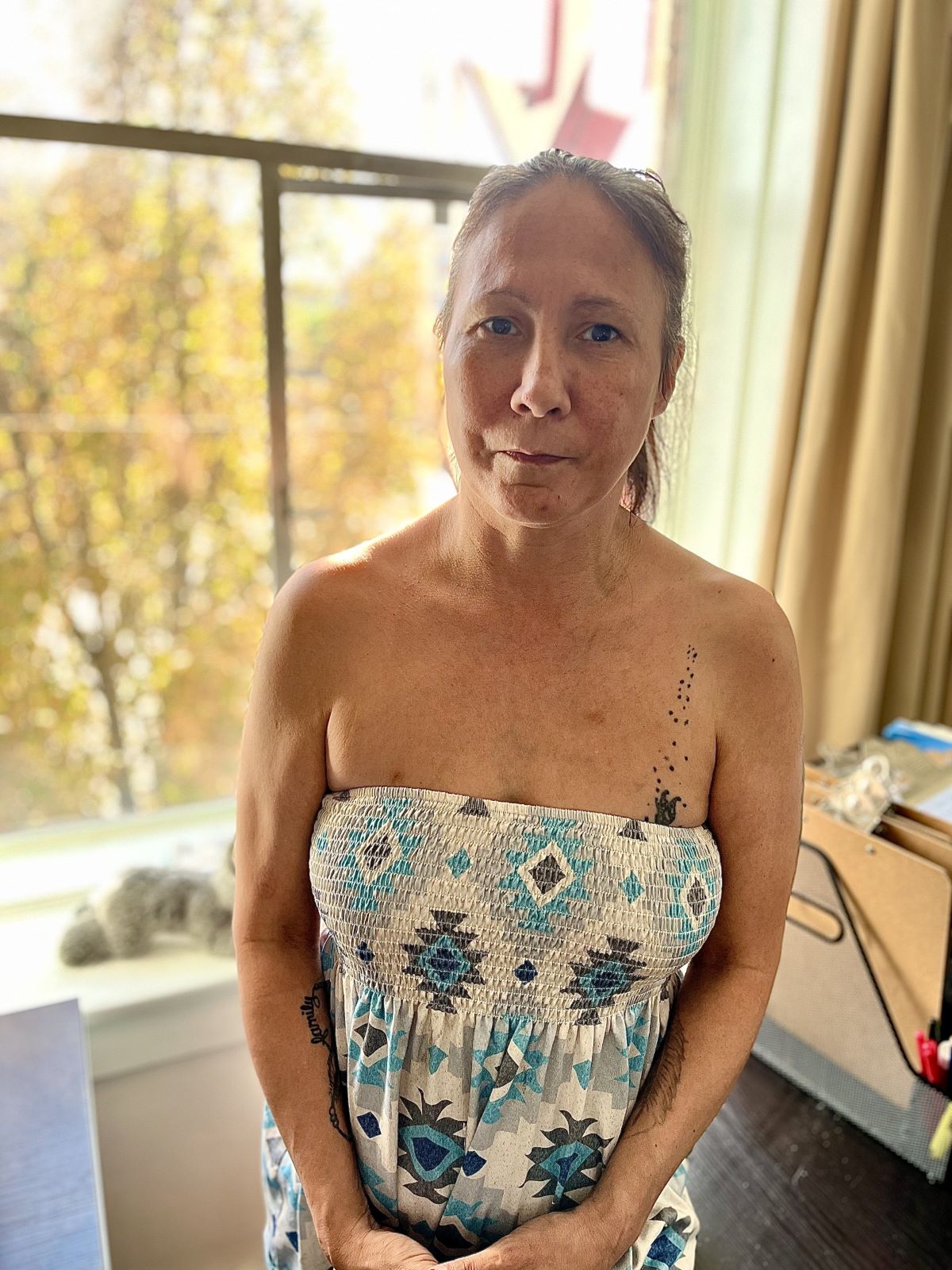
Every Tuesday and Friday, Gail comes down to the Metson lobby to help unload food donations from FoodStash. She’s been doing this since the deliveries started a few years ago. She helps carry the boxes of rescued food from the van into the lobby, where residents can take their pick. After, she tidies up the boxes, wipes down the tables and returns them to storage. She enjoys giving back, interacting with her neighbours and working with her hands.
Gail first experienced homelessness after the death of her partner. The two had shared a rental suite and split the rent. When he passed, she couldn’t carry the cost on her own.
Like so many people experiencing homelessness, she moved from the suburbs to Vancouver and found temporary shelter in the city. She felt safest in women’s-only shelters, but with 30-day limits on stays, she had to move often. Dragging her belongings from one shelter to another wore her down. “It was really scary at first,” she says.
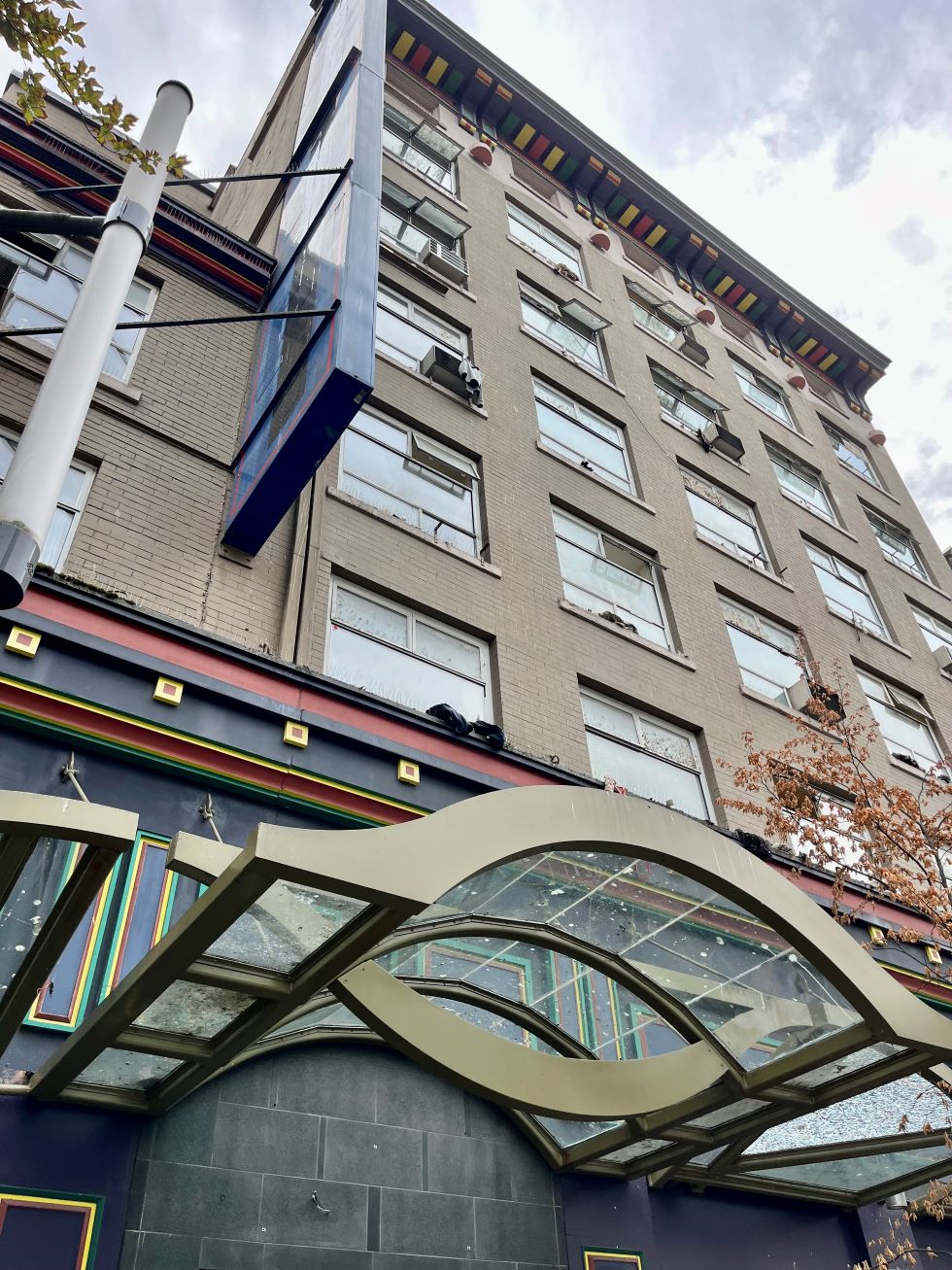
She eventually met her current partner, Jim, while staying at a shelter. The two managed to get housing at Metson Rooms seven years ago and have lived there since.
Gail doesn’t use substances or alcohol, which she says runs counter to a lot of people’s assumptions about homelessness. Her story is different. She didn’t finish high school and spent most of her working life in low-paying, physically demanding jobs. A repetitive stress injury forced her to leave the best-paying job she ever had. When the injury didn’t heal, she had to go on social assistance. Money, she says, has always been a challenge—how to earn it, how to manage it.
Rather than defining Gail by these challenges, a person-centered approach focuses on what she needs now and what she wants for herself. Today, Gail is working with the Outreach team to replace her ID, a small but critical step toward accessing services and moving forward. She and Jim hope to transition into a rental apartment in the coming years.
“You gotta move forward,” Gail says. “You can’t just give up.”
At Community Builders, being person-centered means recognizing that progress looks different for everyone. Sometimes it’s paperwork. Sometimes it’s stability. And sometimes, it’s simply showing up twice a week to lend a hand, just like others once did for you.
This article is hosted on an external website.








.jpg)


%20-%20Copy.jpg)


%20-%20Copy.jpg)
%20-%20Copy.jpg)
.jpg)


