
For many, housing starts in shelter
Shelters are an essential first step in the housing continuum. They provide a safety net for people in our community who don’t have a safe, indoor place to sleep, and they serve as places of refuge from homelessness, where someone can stabilize, receive daily supports and services and access the resources and compassion they need to take their next steps.
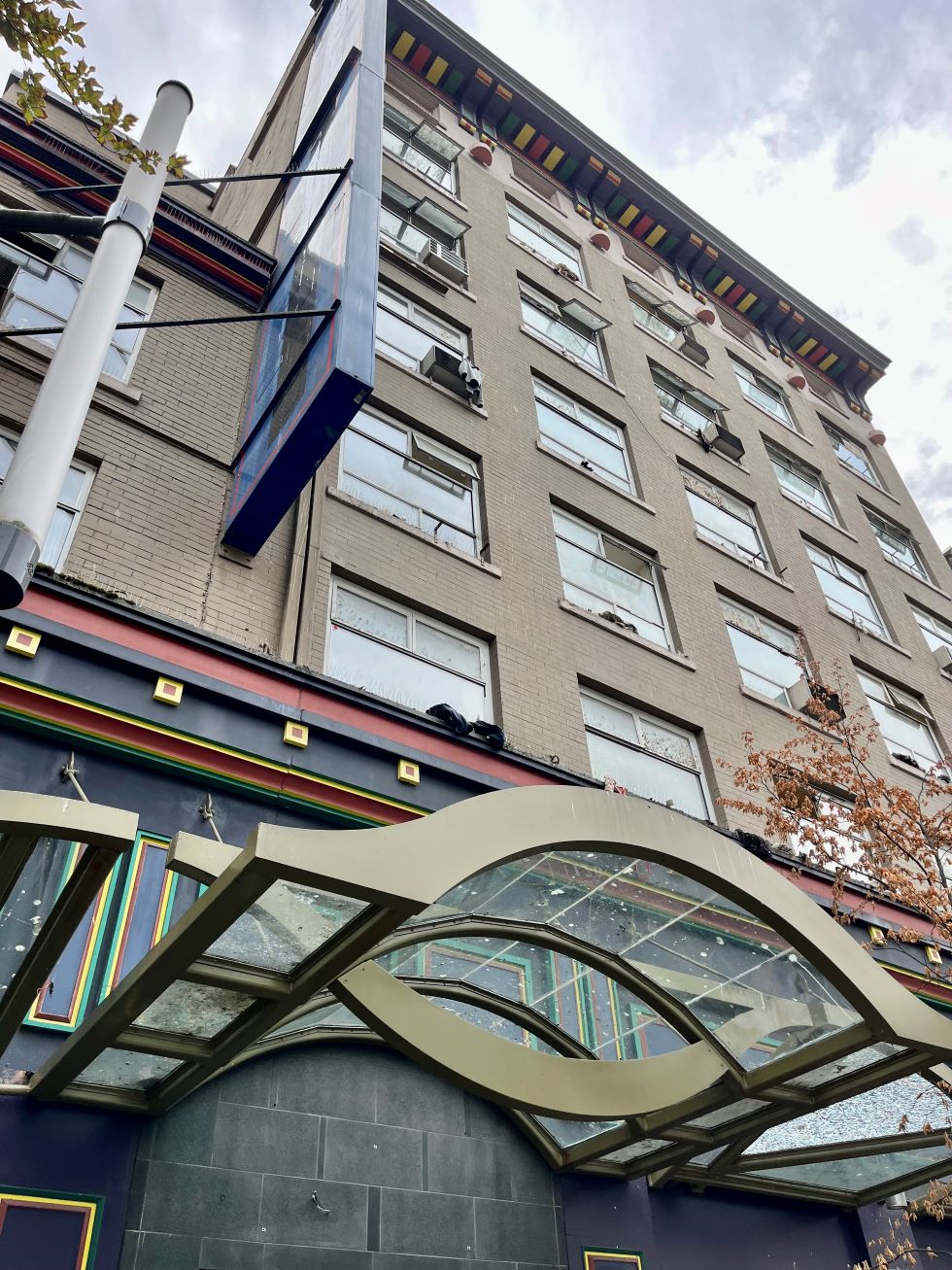
Community Builders operates two low-barrier, co-ed shelters in Vancouver’s downtown core, along with two respite shelters, which serve individuals with more complex health needs.
All of our shelters are home to an incredibly diverse group of residents. Some arrive following their first experience of homelessness. Others have lived through chronic homelessness, moving in and out of shelters and other temporary spaces over many years.
There’s no single path that brings someone to our shelters. What residents share is the immediate need for somewhere safe to stay.
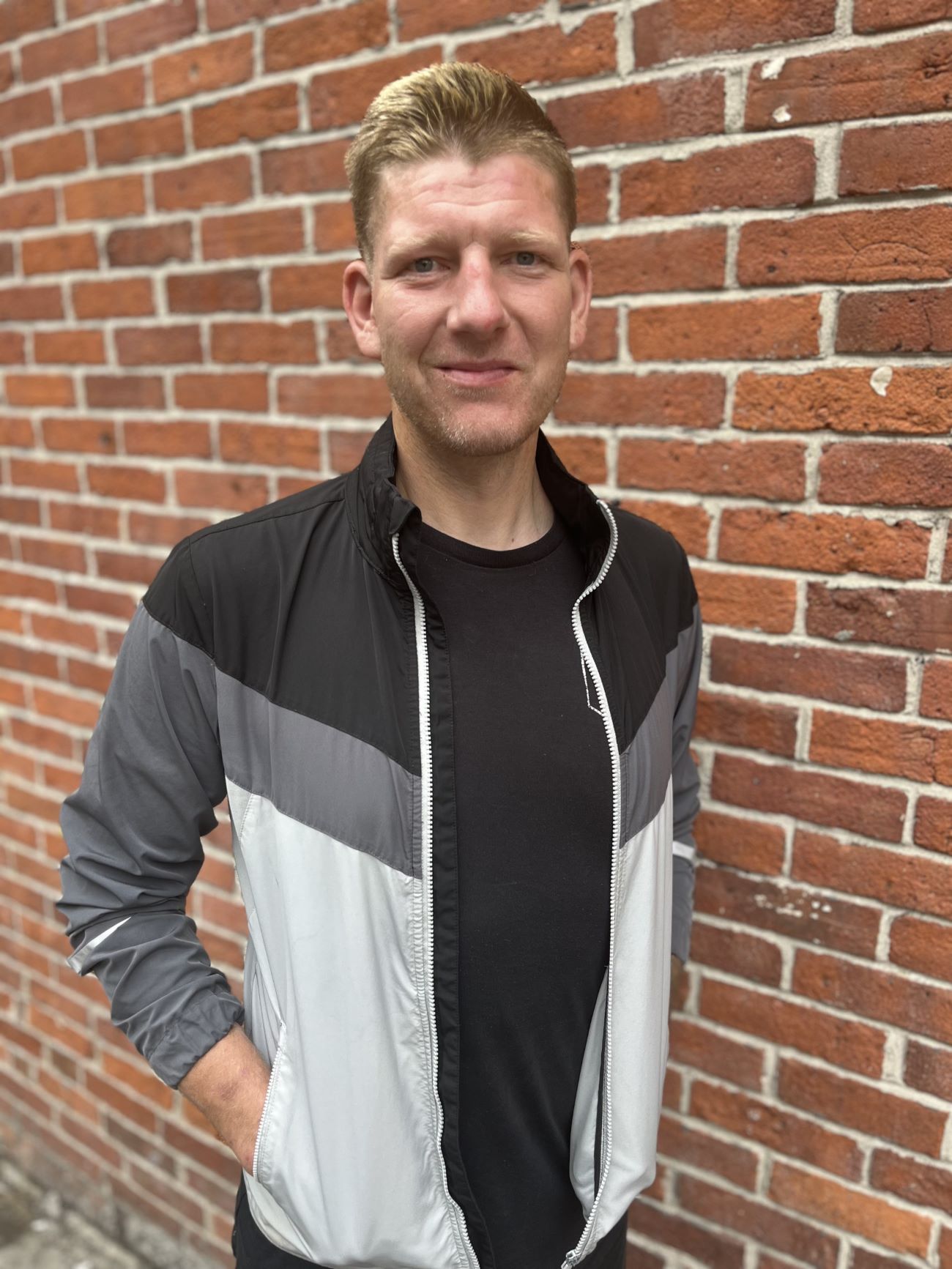
For the past three years, Brian has worked as Coordinator at Hornby Shelter. He’s worked across the housing sector in several different roles, but admits to being surprised by how much he enjoys the shelter environment.
“You get to build rapport with residents,” he says. “It’s very personable. People at Hornby feel safe talking to me. We’re very familiar by this point.”
Hornby provides residents with breakfast and dinner, along with coffee and snacks throughout the day. Residents have access to harm reduction supplies, an outdoor patio, wellness activities such as organized games and shared meals and Community Builders’ wider range of programs.
The shelter also provides storage. For people who have spent months or years carrying their possessions from place to place, having somewhere secure to keep them matters. And Hornby’s donation room serves as a kind of depot, where staff can put together clothing, personal care items and wellness kits based on what each resident needs. Residents can also opt into a medication program designed to support better health outcomes and more consistent medication use.
No matter how someone arrives—whether by drop in or referral—one of the first things that happens at Hornby is a connection to Community Builders’ Housing Outreach Program. Each of our shelters has a dedicated Outreach Worker who meets one-on-one with residents to identify their housing goals and help them navigate the path forward.
Brian recalls one resident who had lived at Hornby for two years and had been waiting for a place at a particular modular housing site. It was his top choice, and staff knew how much the opportunity meant to him. When the day finally came and he packed his belongings to leave Hornby for his new home, staff cried.
They were simply so happy for him.
Without shelters like these, it’s difficult to imagine where many of the people we serve would go. Returning people to street homelessness only pushes them further from the stability and support they need.
People need, as Brian puts it, “somewhere to find peace.”
A shelter like Hornby is so much more than a bed for the night. It’s a hub for community connection and integration and a gateway to programs supporting housing, employment, recovery and mental health. Most of all, it’s a place where people can experience stability and dignity while focusing on what comes next.
“Working at Hornby requires a big heart,” Brian says.
The job is challenging, and it may not be for everyone. But for those who find purpose in the work and connection with the people they serve, Brian offers a well-earned pat on the back.
This article is hosted on an external website.










.jpg)


%20-%20Copy.jpg)


%20-%20Copy.jpg)
%20-%20Copy.jpg)
.jpg)


