
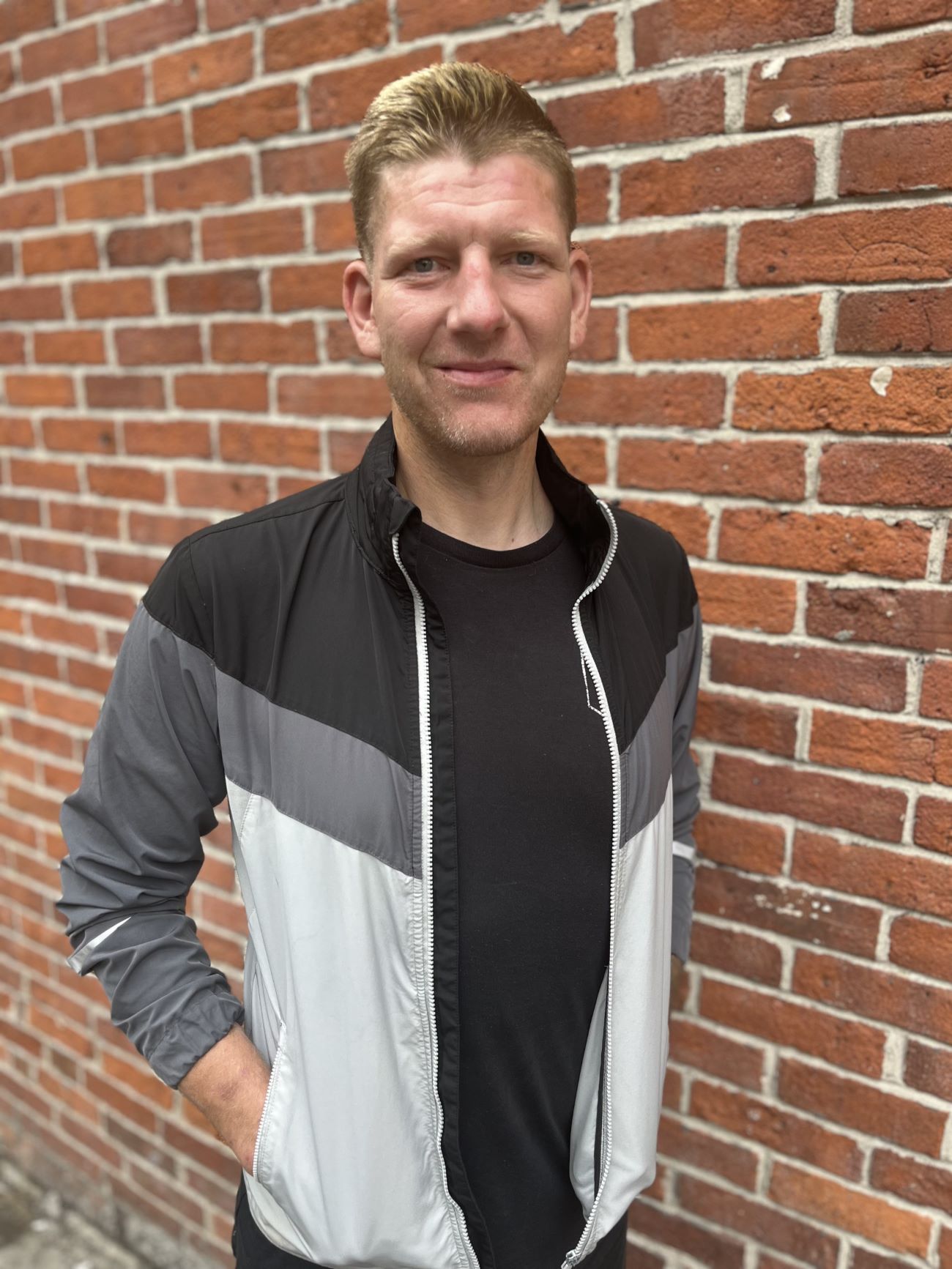
There's no single path to homelessness; this is Joel's story
Joel grew up on the North Shore. For most of his adult life, he was gainfully employed, stably housed and happy. His path to homelessness began with fentanyl, and with grief.
In 2015, Joel was living in Alberta with a girlfriend who was in recovery. When her dog died tragically, she relapsed. Joel was grieving too, and struggling to understand what his partner was going through. He made a decision he now recognizes as a terrible mistake: he tried fentanyl for the first time.
At the time, Joel believed using the drug might bring him closer to his girlfriend and help him understand her experience. Instead, he says, it took only a few days for him to become hooked.
More than a decade later, he is still working to overcome that addiction.
Years after first using fentanyl, Joel had moved back to Vancouver and gotten sober. He was working in auto collision repair, living in a nice apartment and in love with his girlfriend.
Then, one day, she stopped answering his calls.
Her family reported her missing, and three weeks later, police found her body. The loss pushed him to his limit, and Joel returned to what had become a familiar source of relief: fentanyl.
His life deteriorated quickly. He lost his job, then his apartment. Experiencing homelessness for the first time, he found himself living outside while trying to process an overwhelming loss.
A friend who was staying at Community Builders’ Metson Shelter encouraged him to come there, telling him it was a safe place to sleep.
At Metson, Joel came to understand how important low-barrier shelters are for people who have nowhere else to go. He had a roof over his head and was treated with dignity, regardless of his circumstances or substance use.
Looking back, he also recognizes that the work of a shelter extends far beyond providing a bed. Shelters create opportunities for people to connect with outreach, housing and other supports that can help them begin moving forward.
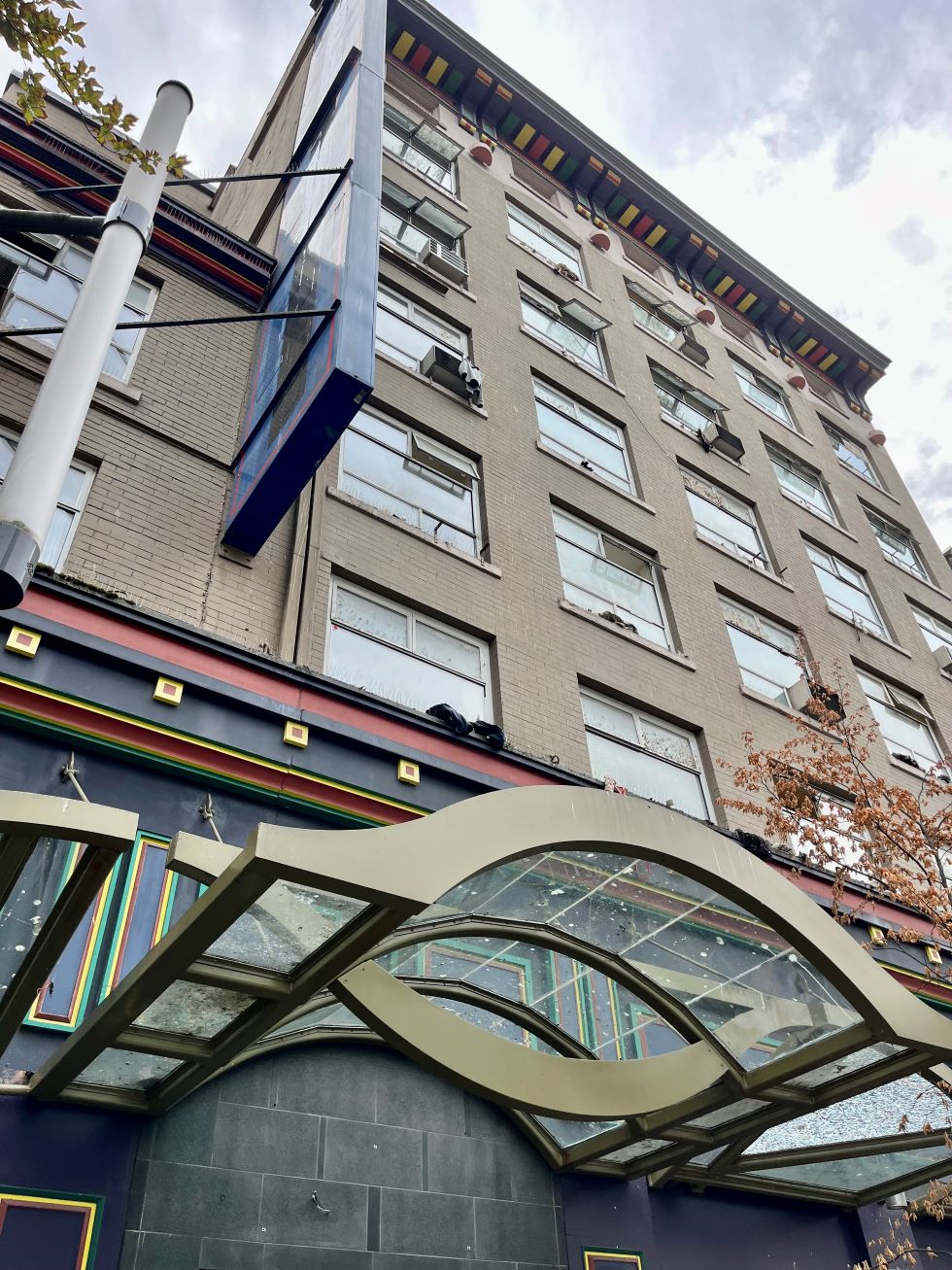
Not long after arriving at Metson, Joel was offered a room at the Yale Hotel, one of Community Builders’ supportive housing sites.
He was nervous about moving into an SRO. He had heard they could be frightening places, and he had never lived in one before. But his first impression of the Yale was that it was clean, friendly and respectful.
“I feel like it’s been a blessing,” he says.
With a stable place to live, Joel was able to begin rebuilding some routine and independence. He connected with Restart, Community Builders’ low-barrier employment program.
Restart provides residents with paid work, coaching and training across Community Builders’ Property, Logistics and Operations departments. Participants can return to work gradually, with support and flexibility based on where they are in their lives.
Joel's last experiences with employment took place during one of the most painful and unstable periods of his life. He wasn’t ready to jump into a conventional full-time job. What he needed was a slower, lower-pressure way to get started.
Joel now works two shifts a week. The routine helps keep him grounded, and the extra income goes a long way. His favourite part is biking to work. Having grown up on the North Shore, he feels at home on a bike and is happiest mountain biking or skiing. With the seasons beginning to change, he’s already looking forward to the arrival of snow.
Joel continues to receive support for his recovery through the Rapid Access Addiction Clinic, including Sublocade, a long-acting medication used to treat opioid addiction.
“It’s turned my life around,” he says. “A complete 180.”
When Joel thinks about his future, he doesn’t necessarily imagine returning to auto collision repair. Instead, he’s interested in peer support and using his experience to help people facing similar circumstances. Helping someone rebuild their life feels more human to him than fixing cars.
Joel’s path has not been a straight line, and he doesn’t pretend that the work is finished. But stable housing, accessible treatment and a gradual return to employment have given him the foundation to move forward.
This article is hosted on an external website.









.jpg)


%20-%20Copy.jpg)


%20-%20Copy.jpg)
%20-%20Copy.jpg)
.jpg)


