
Truth and Reconciliation starts with listening
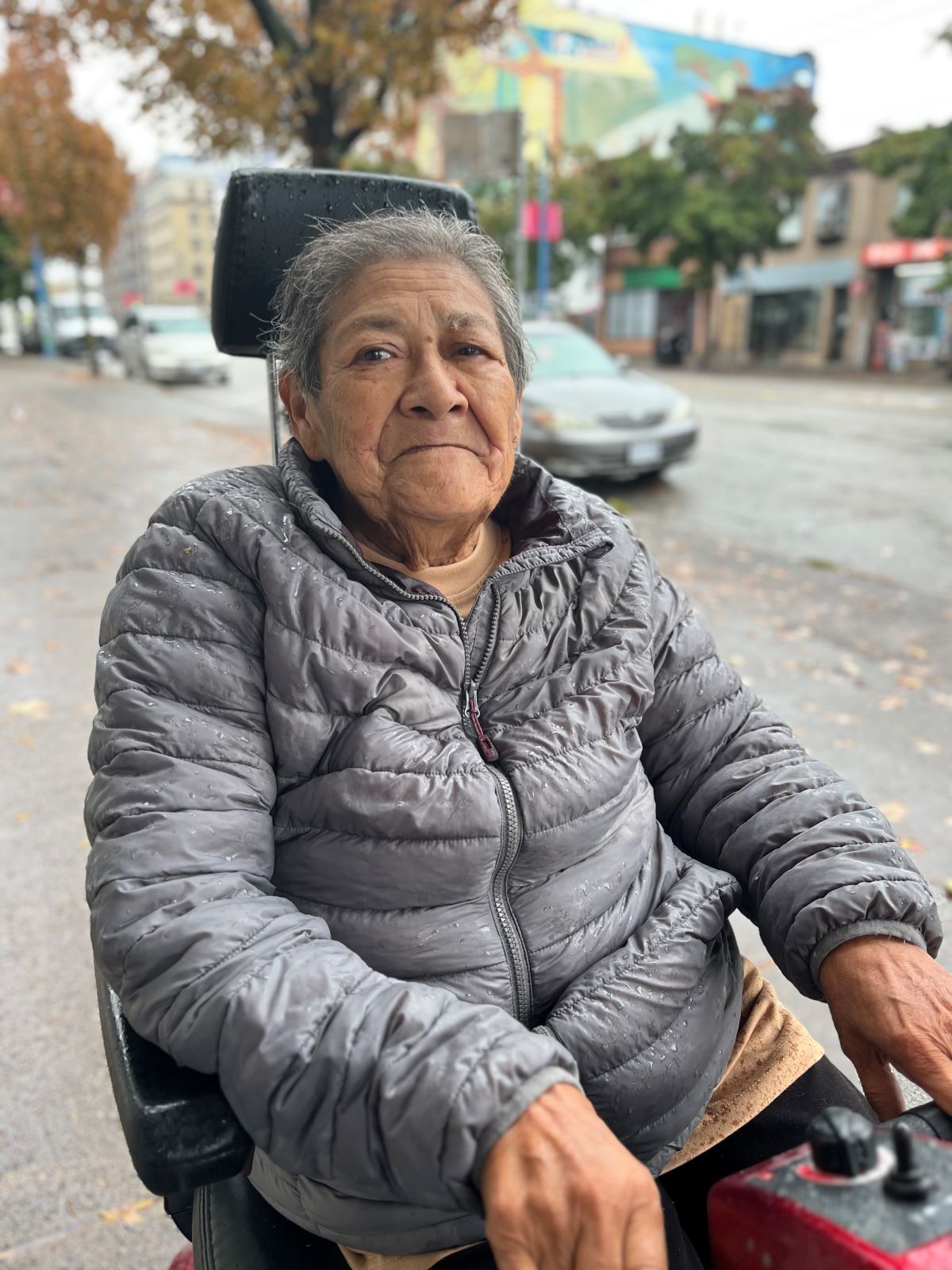
Darlene was born in 1950 on Ahtahkakoop First Nation in Saskatchewan. Her mother was a residential school survivor. Her father managed to hide from officials as a child, so he never went.
Her mother didn’t like to talk about residential school. When she did, she focused on one of the few positive things she remembered: learning to cook. Darlene’s siblings didn’t talk much about their experiences either. Even as adults, they kept much of what happened while they were away to themselves.
Darlene was the first of her siblings not to go. When officials came looking for her, her father hid her.
“My dad saved me,” she says.
Instead, Darlene attended school on her reserve, where she remembers happy days surrounded by extended family. She also remembers the government vehicles arriving to take her siblings away to residential school for the year, and how her siblings used to cry as they were loaded up.
School on the reserve only went to Grade 7, so Darlene eventually had to leave too. She moved to Shellbrook for Grade 8, then Saskatoon for high school. She was the only Indigenous student at her high school.
To attend, she had to billet with a white woman because there were no Indigenous homes available to stay in. The experience came with its own forms of alienation. The first time her host asked her to make tea, Darlene had no idea what to do. At home, tea meant medicine gathered from the forest and prepared over a campfire. She didn’t know how to turn on an electric stove.
There were also strict rules about what she could and couldn’t eat, including restrictions on food in the fridge. Going home during school breaks meant getting her fill of moose, deer and bannock.
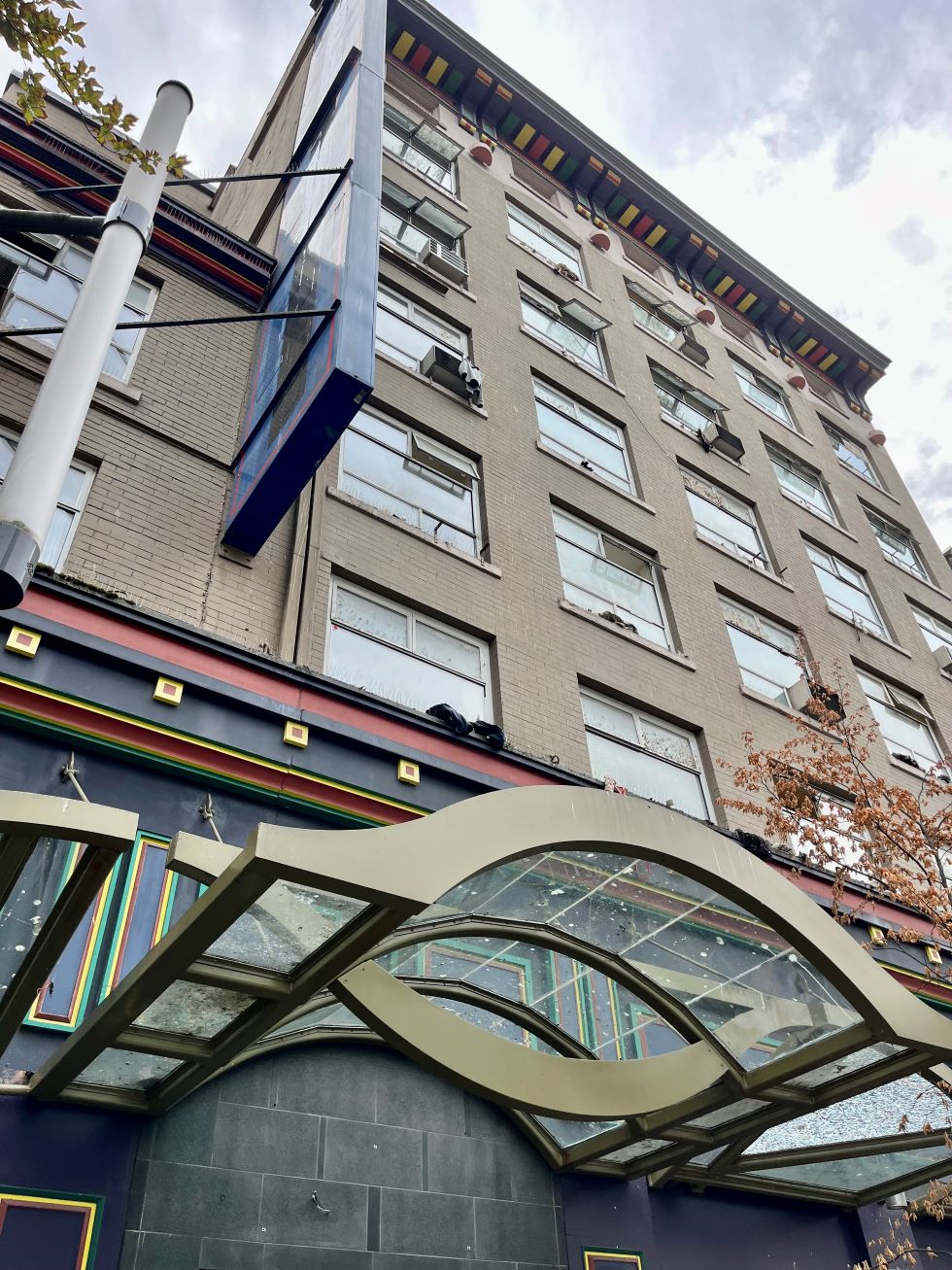
Darlene later attended university in Saskatoon, married and raised a family. In 2025, she came to Vancouver to live with her son before eventually moving into the Patricia Hotel. Through her work with Community Builders’ Outreach team, Darlene has now secured a home at a women-only affordable housing site in Vancouver. She moves in at the beginning of October.
For Darlene, the “truth” in Truth and Reconciliation is self-explanatory. The residential school system is part of that truth, as is the discrimination Indigenous people have experienced in foster care and health care.
“Sharing the truth of residential schools is a big thing,” she says. “They wanted to pound the Indian out of us.”
Despite growing up among residential school survivors, Darlene says the subject itself was largely off limits. It wasn’t until university that she began learning more about the system. She also took it upon herself to learn about the treaties, another part of her history that had never been taught to her. What she learned made her angry.
As a child, Darlene remembers seeing ribbons tied to trees. One day she asked her grandmother if she could take one for her hair. Her grandmother told her they couldn’t touch them; the ribbons were markers, showing people where secret ceremonies were being held.
Eventually, her grandmother took her to one. They followed the ribbons deep into the bush until they reached a clearing. There, Darlene found a large gathering of people, with a lodge in the centre, drumming and dancers.
As a grandmother herself, Darlene carries on the storytelling tradition of her relatives. She appreciates seeing culture and medicine that were suppressed being reclaimed and shared with younger generations. Today, the ceremonies that once had to be hidden can now be shared with her granddaughter.
Darlene was taught that learning begins with Elders, and that it comes through watching and experience. Her grandfather might be building a boat, for example, but he would never insist that she learn how. The lesson was there if she wanted it. She had to choose to come over, sit beside him and watch. When she did, he would welcome her.
For Darlene, there is something in that lesson that applies to Truth and Reconciliation too.
The invitation to learn is there. It’s up to us to take the initiative, to sit, watch and listen.
This article is hosted on an external website.






.jpg)


%20-%20Copy.jpg)


%20-%20Copy.jpg)
%20-%20Copy.jpg)
.jpg)


